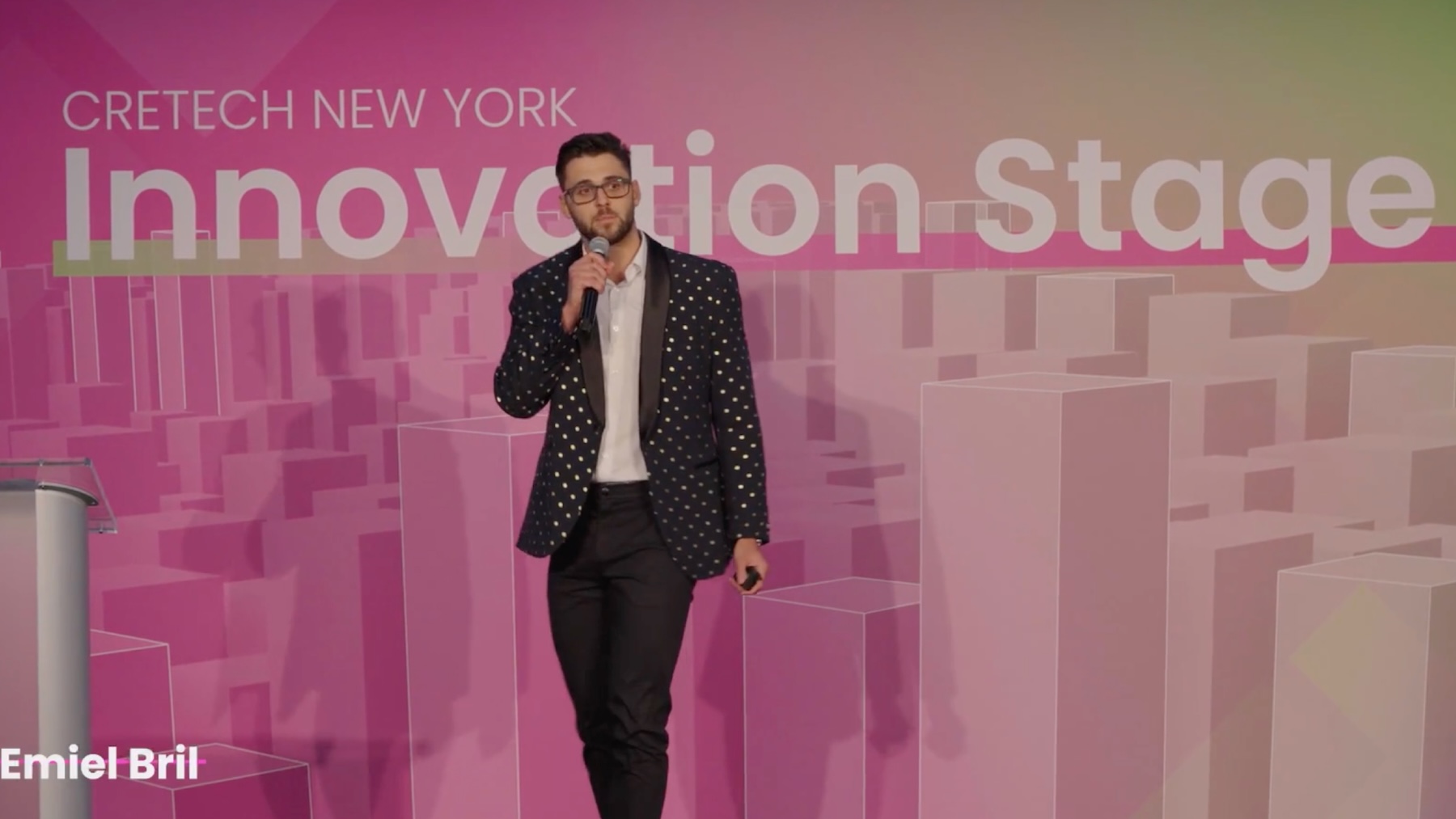
Our Co-Founder and CEO Emiel Bril had the opportunity to chat with Cara Athmann, Chief Operating Officer at Cardinal Group Companies, to discuss the future of PropTech and its impact on the real estate industry.
Previously serving as Chief Technology Officer at Cardinal, Cara brings a wealth of experience in technology and data consulting, as well as multifamily housing. Cara’s unique blend of experience offers a fresh perspective on how companies can navigate the complexities of this rapidly changing field.
Read on for the full discussion.
I'm approaching my six-year anniversary at Cardinal Group. Before joining the company, I spent a significant amount of time in consulting, focusing on digital transformation for large organizations—a recurring theme throughout my career. While I've worked a little in the multifamily space, I’ve also been involved in various other industries.
Cardinal Group is highly innovative, particularly in how we leverage data to improve operations and boost efficiency. Rather than having people manually transfer data between reports, we focus on making data more consumable and actionable. It’s not just about gathering data—we ensure it's being used to drive meaningful decisions.
In recent years, we've placed a strong emphasis on using technology and innovation to enhance the resident experience. Ultimately, this focus improves outcomes for our clients and our company, but it all begins with creating a better experience for residents.
I’ve held a few roles at Cardinal. I initially led the IT and data departments before being promoted to Chief Technology Officer. About two years ago, I transitioned into the role of Chief Operating Officer.
This kind of transition hasn’t been very common in the past, but I believe it will become more frequent, especially as companies enter their next phase of growth. Our CEO, Alex O’Brien, has a clear vision that the future of operations revolves around technology and process engineering. We’re in an interesting phase of rapid scaling, and we’re seeing changes in both resident and team member expectations.
That was the thinking behind my transition. Since I had been heavily involved in driving many of our platform initiatives, it made sense to shift into a more operational role. It’s been an exciting change because instead of being in more of an advisory capacity, I’m now directly responsible for implementing these strategies.
One of the recurring themes in my career has been staying laser-focused on what we’re truly trying to achieve. Many people get stuck thinking success is simply completing a project—checking it off the list. Early in my career, I was fortunate to work with people who instilled good habits in me, emphasizing that it’s not just about delivering the project but about achieving the desired outcome.
There are countless decisions to make while managing a project, especially when balancing timeline, scope, and quality. Staying focused on the end goal and using data to guide those decisions has been critical to my success. Whether it’s a project, a technology rollout, or a new structure, maintaining that clarity about what true success looks like has been invaluable and has helped me progress in my career.
I think AI will be the primary focus because there’s so much low-hanging fruit that could radically change how business models deliver services.
Many companies today are approaching artificial intelligence, particularly generative AI, as incremental improvements, which might work for now. However, I believe we’ll soon see AI-native solutions emerge that will significantly disrupt the market, quickly outpacing those incremental approaches. Companies willing to disrupt themselves and move beyond just building on top of their existing systems are the ones that will thrive. In contrast, slower-moving companies risk being left behind.
The real challenge lies in changing human behavior to be more efficient, which, in my view, always comes back to user experience. Think about the shift from hailing taxis to using Uber—it was a big change, but because the experience was so easy and customer-focused, people adopted it quickly.
To truly benefit from new technologies, there needs to be a strong emphasis on making the user experience seamless. That’s what will drive adoption and help overcome resistance to change. If you look at major transformations over the years, it's all about reducing friction.
I don't think every buyer will immediately embrace a complete overhaul of how things are done on-site. But once a few early adopters embrace a new business model, the key will be making the transition so simple that it instantly improves their lives. If you ask busy people to learn a whole new way of working without making it easier for them, they won't do it. The solution has to either be incredibly easy or involve starting fresh with a new approach.
I’ve noticed two common factors that significantly impact success. First, it’s essential to solve an important and measurable problem, but you can’t do it in isolation—you need to understand the entire workflow. Many point solutions claim to be easy to use, like a new portal, but they fail to integrate into users' existing processes. This oversight often neglects the total cost of ownership for users, which can hinder adoption.
Second, it’s surprising how often people don’t measure their results effectively. For example, saying that getting one more lease makes it worth it is too vague. It’s crucial to be able to attribute that success to specific actions. Statements like "it will make people more efficient" are also too loose; efficiency doesn’t directly translate into value since no one is rewarded just for being efficient.
Being tightly aligned with measurable outcomes will lead to better results, as everyone is looking for clear value. If you can focus on measurable results during your sales cycle, you’ll progress faster. Many companies move too slowly and have varying data aptitude, which can also affect their success.